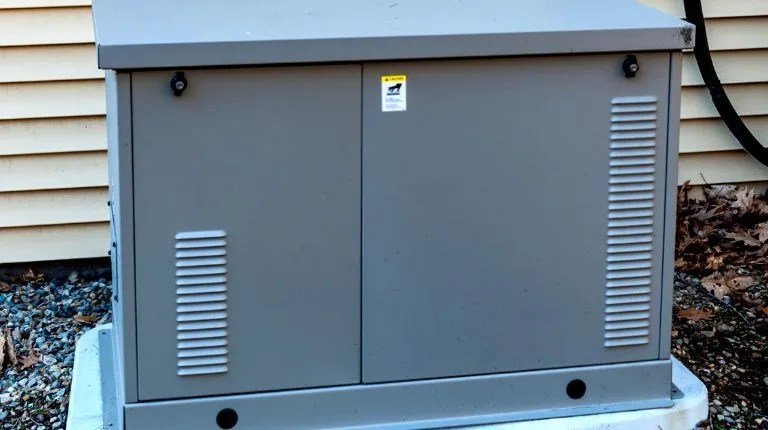
Even the most robust power systems can throw a curveball. When you rely on an Obsidian generator to keep your operations running, any hiccup can feel like a major disruption. That’s why understanding troubleshooting common issues with Obsidian generators isn't just helpful—it’s essential for maintaining stable, reliable power. Whether you’re facing a complete shutdown or just an inconsistent hum, knowing how to diagnose and address problems quickly can save you time, money, and a lot of headaches.
You don't need to be a certified mechanic to get your generator back on track. Often, the solutions to common problems are simpler than you think, requiring keen observation and a methodical approach. This guide will walk you through the most frequent issues, their likely causes, and clear, actionable steps to resolve them, helping you restore power and confidence.
At a Glance: Quick Fixes for Your Obsidian Generator
- Generator Fails to Start? Check the battery, fuel, oil, and spark plugs first. Reset any tripped circuit breakers.
- Running But No Power? Look at the Automatic Voltage Regulator (AVR), electrical connections, and load distribution.
- Overheating? Ensure good airflow, clean the radiator, and check coolant/oil levels. Don't overload it!
- Burning Too Much Fuel? Inspect for leaks, service injectors, and ensure it's running at optimum load (70-80%).
- Strange Noises/Vibrations? Tighten mounts, check belts, and look for worn bearings.
- Smoke from Exhaust? Black smoke often means incomplete combustion; white smoke suggests low compression or coolant issues.
- Preventative Care is Key: Regular checks, frequent operation, and professional servicing every six months prevent most major problems.
The Heartbeat of Your Setup: Why Generators Falter
Generators are complex machines, designed for heavy-duty performance. Yet, like any mechanical system, they're susceptible to wear, tear, and environmental factors. From the simplicity of a dead battery to the intricacy of an Automatic Voltage Regulator (AVR) malfunction, understanding the underlying "why" empowers you to move beyond guessing to confident problem-solving. It's often not a single catastrophic failure but a chain of small issues, many of which are preventable with routine care.
When Silence Isn't Golden: Generator Fails to Start
Few things are more frustrating than flipping the switch only to be met with silence. A generator that won't start is a common call for help, but thankfully, many of the causes are straightforward to diagnose.
The Battery Blues: Dead or Weak Power
The most common culprit for a no-start condition is often the simplest: a battery issue.
- Causes: A dead or weak battery simply can't provide enough juice to crank the engine. This can be due to dirty or corroded terminals hindering the electrical flow, or a charger that isn't doing its job. A faulty starter motor or its associated wiring could also prevent the engine from turning over.
- Solutions:
- Check and Charge: First, inspect the battery terminals for corrosion. Clean them thoroughly with a wire brush and a baking soda-water solution. Verify your battery charger is working correctly and that the battery is receiving a charge.
- Test and Replace: If charging doesn't work, have the battery tested. A weak battery will need replacement.
- Starter System: Inspect the starter motor and its wiring for any signs of damage or loose connections. This might require a professional if you're uncomfortable with electrical components.
Thirsty or Choked: Fuel System Blockages
Fuel is the lifeblood of your generator. Without a clean, consistent supply, it simply won't run.
- Causes: An empty tank is an obvious one, but often it's more subtle. Insufficient fuel can be a misread gauge or a blockage. Clogged fuel filters or lines, usually from dirt, water, or sludge buildup, are incredibly common. Old, stale fuel can also degrade and gum up the system. Air trapped in the fuel lines, especially after a fuel filter change or running out of fuel, can also prevent starting.
- Solutions:
- Supply Check: Ensure the fuel tank is adequately filled.
- Drain and Refill: If the fuel is old, drain the tank completely and refill with fresh, stabilized fuel.
- Clean and Clear: Replace or clean clogged fuel filters. Inspect fuel lines for kinks or blockages. Bleeding the fuel lines is crucial if air is suspected; consult your generator's manual for the specific procedure. Regular checks can prevent these blockages.
Low on Lubrication: Engine Oil Levels
Modern generators have safety features that prevent them from starting or running if critical fluid levels are too low.
- Causes: Insufficient engine oil can trigger a low-oil shutdown sensor, protecting the engine from damage.
- Solutions: Check the engine oil dipstick. If it's low, refill it to the recommended level. Be sure to use the correct type of oil specified in your generator's manual.
Spark of Life: Dirty Spark Plugs
For gasoline generators, spark plugs are vital for ignition.
- Causes: Dirty, fouled, or worn spark plugs can't generate a strong enough spark to ignite the fuel-air mixture.
- Solutions: Remove and inspect the spark plugs. If they're dirty, clean them with a wire brush. If they're heavily fouled or worn, replace them. Ensure the gap is set correctly according to manufacturer specifications.
Reset and Retry: Control Switch and Circuit Breakers
Sometimes, the solution is as simple as resetting a tripped switch.
- Causes: The control switch might not be in the "reset" position, or a circuit breaker, either on the generator or an external one, could have tripped due to an overload. Faulty wiring can also lead to these issues.
- Solutions:
- Control Switch: Confirm the control switch is in the correct operating or reset position.
- Circuit Breakers: Check all generator circuit breakers and any associated external breakers. Reset them if they're tripped.
- Wiring: Visually inspect accessible wiring for any obvious damage or loose connections. For complex wiring issues, professional help is advised.
Powering Down Unexpectedly: Low or Unstable Voltage Output
Your generator is running, making all the right noises, but there's no power coming out, or the voltage is fluctuating wildly. This indicates an issue with the power generation or regulation system.
The Brain of the Beast: Faulty Automatic Voltage Regulator (AVR)
The AVR is a critical component that regulates the generator's output voltage.
- Causes: A faulty AVR is often the primary reason for unstable or absent voltage. It might not be sensing voltage correctly or failing to excite the alternator windings properly.
- Solutions: Inspect the AVR for any visible damage. If suspect, replacing or repairing the AVR is often necessary. This is typically a job for a qualified technician, as improper installation can cause further damage.
Loose Ends: Electrical Connections and Wiring
Even a small loose connection can interrupt power flow.
- Causes: Loose or damaged electrical connections and wiring, especially from the alternator to the output terminals, can cause intermittent power or no power at all.
- Solutions: Carefully inspect all electrical connections and cables. Tighten any loose connections and repair or replace damaged wiring. Pay close attention to the output cables that connect your generator to your load.
A Dirty Job: Alternator Windings
The alternator is where the electricity is actually generated.
- Causes: Dirty alternator windings can impede the generation of consistent power. Dust, grime, or even pest nests can interfere with their operation.
- Solutions: With the generator powered off and locked out, carefully clean the alternator windings. Use compressed air to blow out dust and debris. If there's heavy buildup, specialized cleaning might be required.
Spreading the Load: Incorrect Load Distribution
If your generator is trying to power too much through one circuit, it can cause problems.
- Causes: Incorrect load distribution, especially across different phases in a three-phase generator, can lead to unstable voltage or tripping.
- Solutions: Balance the load across all phases of your generator. Ensure no single circuit or phase is overloaded. Refer to your generator's specifications for optimal load balancing.
The Safety Net: Tripped Circuit Breaker
Again, a simple safety measure could be the culprit.
- Causes: An overload or short circuit can trip the main circuit breaker on the generator, cutting off power output.
- Solutions: Reset the circuit breaker. If it immediately trips again, there's likely an issue with the connected load or a short within your electrical system that needs to be addressed before reconnecting.
Feeling the Heat: Overheating and Automatic Shutdowns
An overheating generator isn't just inefficient; it's a precursor to serious mechanical damage. Many modern generators will shut down automatically to prevent catastrophic failure.
Blocked Arteries: Radiator and Cooling System Issues
The cooling system is critical for dissipating heat.
- Causes: A blocked or dirty radiator, low coolant levels (perhaps from a leak), or a malfunctioning cooling fan will lead to rapid overheating.
- Solutions:
- Clean System: Thoroughly clean the radiator fins, ensuring proper airflow. Remove any debris, leaves, or dirt.
- Check Coolant: Inspect coolant levels and top up if necessary, using the manufacturer-recommended coolant type. Look for signs of leaks around hoses and connections. Repair any leaks promptly.
Running on Empty: Low Engine Oil Levels
Oil doesn't just lubricate; it also helps cool the engine.
- Causes: Low engine oil levels mean less lubrication and less heat transfer, contributing to overheating. This could be due to a leak or simply missed maintenance.
- Solutions: Check your oil dipstick. If low, add oil to the recommended level. Regularly inspect for oil leaks.
Pushing Too Hard: Overloading Beyond Capacity
Every generator has a rated capacity, and exceeding it is a surefire way to cause problems.
- Causes: Operating the generator beyond its rated capacity forces the engine and alternator to work harder than designed, generating excessive heat.
- Solutions: Reduce the load on the generator to within its specified capacity. If you consistently need more power, it might be time to consider a larger generator. Knowing how to properly build your obsidian generator to match your power needs is crucial from the start.
Suffocated: Blocked Airflow and Dirty Air Filters
Air is essential for combustion and cooling.
- Causes: Blocked airflow around the generator prevents proper heat dissipation. A dirty air filter restricts the air intake, leading to a richer fuel mixture and higher operating temperatures. A blocked exhaust can also trap heat and fumes.
- Solutions:
- Clear Airflow: Ensure there's ample clear space around the generator for ventilation.
- Replace Filter: Replace a dirty air filter with a new one.
- Exhaust Check: Inspect the exhaust system for any blockages or restrictions.
Guzzling Fuel & Leaky Lines: Tackling Fuel System Woes
Excessive fuel consumption isn't just bad for your wallet; it can be a symptom of deeper issues.
Drips and Drains: Fuel Leaks
Fuel should stay in the tank and lines, not on the ground.
- Causes: Leaks in fuel lines, connectors, or the fuel tank itself can lead to significant fuel loss and present a fire hazard.
- Solutions: Visually inspect all fuel lines, connections, and the tank for any signs of leakage. Repair or replace faulty components immediately. Even small leaks need immediate attention.
Worn Out: Faulty Fuel Injectors
Injectors are responsible for precisely delivering fuel to the engine.
- Causes: Worn-out or dirty fuel injectors can spray fuel inefficiently, leading to incomplete combustion and higher fuel consumption.
- Solutions: Have a qualified technician inspect and, if necessary, replace faulty injectors. Regular fuel system cleaning can help maintain injector health.
Out of Tune: Poor Engine Tuning
An engine that isn't running optimally will waste fuel.
- Causes: Incorrect engine tuning, such as improper valve clearances or timing, can reduce fuel efficiency.
- Solutions: Calibrate engine settings for optimal fuel efficiency. This often requires specialized tools and expertise, so professional service is recommended.
Idling Away: Low Load Operation
Ironically, sometimes running too little can be a problem.
- Causes: Operating a generator at very low load levels for extended periods can lead to inefficient combustion and excessive fuel use for the power generated.
- Solutions: Whenever possible, run your generator at its optimum load, generally between 70–80% of its rated capacity. This ensures efficient combustion and prevents issues like "wet stacking" in diesel generators.
Sounds of Distress: Unusual Noises and Vibrations
Your generator has a characteristic sound. Anything outside of that normal hum should raise a red flag. Unusual noises or excessive vibrations often signal a mechanical issue that needs attention before it escalates.
Shaky Foundations: Loose Mountings
- Causes: Loose engine or alternator mountings can cause the entire unit to vibrate excessively.
- Solutions: Inspect all mounting bolts and brackets. Tighten any that are loose to specifications.
Grinding Away: Worn Bearings
- Causes: Worn bearings in the engine, alternator, or other rotating components can produce grinding, squealing, or rumbling noises.
- Solutions: Worn bearings must be replaced. This is often a job for a professional, as it requires specialized tools and expertise.
Frayed and Slipping: Damaged Belts or Pulleys
- Causes: Frayed, cracked, or loose belts (e.g., fan belt, alternator belt) or damaged pulleys can create squealing, slapping, or thumping sounds.
- Solutions: Inspect all belts for wear and tension. Replace damaged belts and adjust tension if necessary. Check pulleys for damage or misalignment.
Internal Troubles: Mechanical Faults
- Causes: Deeper internal mechanical faults, such as issues with connecting rods, pistons, or crankshafts, can produce knocking or clunking sounds.
- Solutions: Any internal mechanical fault requires immediate professional diagnosis and repair to prevent catastrophic engine failure.
A Tell-Tale Sign: Smoke Signals from Your Exhaust
The color of your generator's exhaust smoke can provide valuable clues about its internal health.
Black Smoke: Incomplete Combustion
- Causes: Black smoke indicates incomplete fuel combustion. This is often due to dirty air filters restricting airflow, faulty fuel injectors spraying too much fuel, or operating the generator with a significant overload.
- Solutions:
- Air Filters & Fuel System: Clean or replace dirty air filters. Service the fuel system, checking injectors for proper spray patterns.
- Avoid Overload: Ensure you are not overloading the generator's capacity.
White Smoke: Unburnt Fuel or Coolant Issues
- Causes: White smoke typically points to unburnt fuel passing through the engine or, more seriously, coolant leaking into the combustion chambers. Low cylinder compression can also cause white smoke.
- Solutions:
- Coolant Check: Inspect the coolant system thoroughly for any leaks, even small ones.
- Compression Test: If coolant leaks are ruled out, a compression test should be performed to check cylinder compression. This usually requires professional equipment.
- Fuel System: If it's unburnt fuel, check fuel timing and injector function.
Breathing Room: Addressing Valve and Airflow Obstructions
Proper airflow through the engine's valves is paramount for efficient operation.
- Causes: Over time, dust, carbon, or other contaminants can build up on engine valves, restricting their movement and cutting off essential airflow. This can lead to stalling, misfires, and reduced power.
- Solutions: Regular maintenance should include checking and, if necessary, cleaning the valves. This ensures optimal engine breathing and maintains performance. Depending on the engine design, this might be a task best left to a professional.
Niche Niggles: Specific Generator Type Considerations
While many issues are universal, certain generator types have their own quirks.
Diesel Generators: Heavy-Duty, Unique Needs
Diesel generators are workhorses, but they have particular sensitivities.
- "Wet Stacking": This is a common issue for diesel generators run at low loads for extended periods. Unburned fuel and carbon build up in the exhaust system, often manifesting as black goo.
- Prevention: The best way to prevent wet stacking is to regularly run the diesel generator at or near its full load capacity (typically 70-80%).
- Fuel Contamination: Diesel fuel is prone to water condensation and bacterial growth in tanks, especially if stored for long periods.
- Prevention: Use fuel additives, inspect fuel regularly for clarity, and clean fuel tanks periodically. Ensure your fuel is fresh and stored correctly.
- Exhaust and Valve Buildup: Beyond wet stacking, diesel engines can experience significant carbon buildup in the exhaust and valves.
- Solutions: Regular cleaning and occasional part replacement (e.g., exhaust manifolds, valves) are necessary to maintain efficiency.
Portable Generators: The Occasional Use Challenge
Portable generators, often used intermittently, face different challenges, especially when left dormant.
- Old Fuel & Dirty Plugs (after disuse): If a portable generator sits unused for months with fuel in the tank, the fuel can degrade, gumming up the fuel system and fouling spark plugs.
- Solutions: Always drain old fuel and replace spark plugs if the generator hasn't been started in a while. Using stabilized fuel for storage periods is highly recommended.
- Carburetor Clogging: Small engines, common in portable generators, often have carburetors that are highly susceptible to clogging from stale fuel.
- Solutions: Clean the carburetor thoroughly. This can be a delicate task. Always check spark plugs in conjunction with carburetor issues.
- Uneven Power: If your portable generator provides uneven power or surges, it might be due to low fuel or a tripped breaker.
- Solutions: Ensure the fuel tank is full and check/reset the circuit breaker. If the problem persists after these basic checks, the alternator may require professional repair or replacement.
Your Proactive Playbook: Essential Maintenance and Actionable Insights
Prevention is always better than cure. A disciplined approach to generator maintenance can head off most issues before they even begin.
The Power of Routine: Regular Checks
Make generator checks a part of your regular routine, much like checking the oil in your car.
- What to Check: Frequently inspect fuel, coolant, and engine oil levels. Look for any visible leaks around hoses, connections, and the engine block.
- Why it Matters: Catching low fluid levels or small leaks early can prevent major breakdowns and save on costly repairs down the line. It's also an opportunity to spot loose wires or damaged components.
Keep it Moving: Frequent Operation
Letting a generator sit idle for too long can be detrimental.
- Why it Matters: Running your generator periodically (e.g., once a month for 20-30 minutes under a small load) helps to keep fuel fresh, lubricate internal components, and circulate fluids. This prevents buildup in the fuel system and ensures all parts remain in working order.
The Sweet Spot: Operating at Optimal Load
Don't run your generator too hard, but also don't let it just idle.
- What to Aim For: Experts recommend operating generators at an optimum load of 70–80% of their rated capacity.
- Why it Matters: This ensures the engine operates efficiently, completely burning fuel and preventing issues like "wet stacking" in diesel units, while also prolonging the life of the engine.
Knowing Your Limits: Professional Service
While many minor issues can be handled in-house, some problems require expert attention.
- When to Call a Pro: Major mechanical issues, persistent leaks, complex electrical or wiring faults, or any problem that you're uncomfortable diagnosing or fixing yourself should be referred to qualified service professionals.
- Why it Matters: They have the specialized tools, knowledge, and experience to ensure repairs are done safely and correctly, maintaining compliance with warranties and safety standards.
The Schedule: Service Frequency
Consistency is key for longevity.
- Recommendation: Experts generally recommend professional service for generators every six months or after a specified number of operating hours, whichever comes first. This preventative maintenance schedule catches potential problems before they become critical.
Empowering Your Power: Final Steps to Reliability
Maintaining a reliable Obsidian generator isn't about magical fixes; it's about vigilance, understanding, and proactive care. By familiarizing yourself with these common issues and their solutions, you transform from a reactive problem-solver to a proactive power manager.
The confidence that comes from knowing you can quickly diagnose and often fix minor generator issues is invaluable. For those larger, more complex challenges, knowing when to call in a professional ensures your investment remains protected and your power stays consistent. Keep your maintenance schedule diligent, your observations sharp, and your generator will be a steadfast source of stable power for years to come.