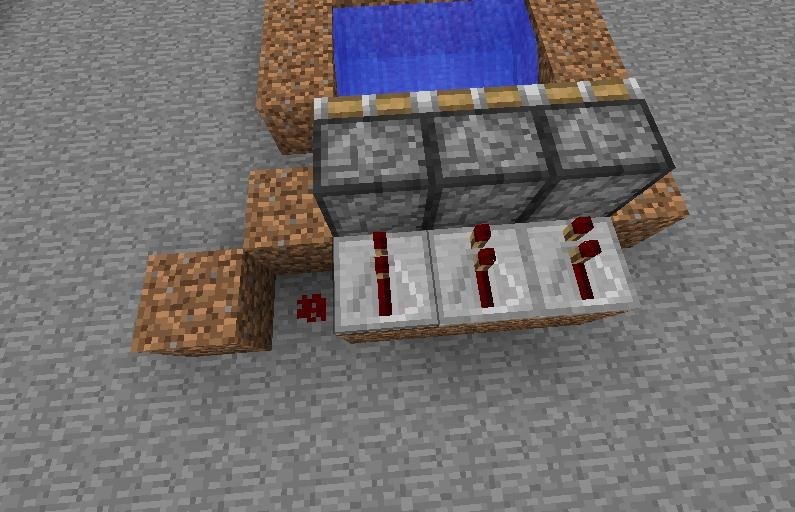
Obsidian is one of the most resilient and sought-after blocks in Minecraft, serving as the bedrock of powerful structures and essential utilities. From creating an indestructible fortress to opening gateways to the Nether, or even crafting the vital enchanting table, having a reliable source of obsidian is key to progressing in your survival world. While finding it naturally can be a rare treat, mastering the art of making an obsidian generator—especially one utilizing the wonders of dripstone—transforms a scarce resource into an abundant commodity.
This guide will walk you through everything you need to know about generating obsidian, from its fundamental formation principles to advanced automated setups, ensuring you'll never run short of this purple powerhouse block.
Understanding Obsidian's Power and Purpose
Obsidian is distinctively deep purple and black, renowned for its incredible blast resistance. It's not just for show; this block is fundamental to late-game progression. Imagine blast-proof shelters that laugh in the face of Creeper explosions, the mystical Nether portal that transports you to a realm of new adventures, or the enchanting table that imbues your tools with magical properties. Obsidian is also crucial for crafting Ender chests, beacons, and even specific musical note blocks.
Unlike many other blocks, obsidian cannot be crafted directly from raw materials. Instead, it forms under a very specific condition: when a water source block makes contact with a lava source block. Attempting to mine it with anything less than a diamond or netherite pickaxe will result in its destruction without dropping the block, a harsh lesson many new players learn. For a deep dive into the underlying physics, you'll want to Understand Minecraft obsidian formation to truly grasp how this magical transformation happens.
The Foundation: Lava Meets Water
At its heart, making obsidian is simple chemistry: water plus lava. However, the exact outcome depends on the state of the lava. When water flows over a flowing lava stream, it results in cobblestone. But when water makes contact with a stationary lava source block, it instantly converts that lava into a precious obsidian block. This fundamental principle is what all obsidian generators, no matter how complex, are built upon.
Simple Methods to Generate Obsidian
Even before you set up a sophisticated generator, understanding the manual ways to produce obsidian is crucial. These methods provide the initial blocks needed for everything from Nether portals to your first dripstone setup.
The Manual Lava-and-Water Method
This is the most direct way to get obsidian when you have access to both water and lava. Whether you find a natural lava pool or transport lava via buckets, the process remains the same.
- Locate or Create a Lava Source: Find a lake or pool of stationary lava, common deep underground in caves and ravines. Alternatively, collect lava in a bucket from any source and place it where you want the obsidian to form.
- Apply Water: With a water bucket, carefully place water one block higher than your lava source. The water will flow downwards, converting any lava source blocks it touches into obsidian.
- Protect Your Harvest: It's a good idea to pour more water over the newly formed obsidian. This ensures any remaining lava underneath is converted and prevents your freshly mined obsidian from falling into lava and burning up.
- Mine and Collect: Use your diamond or netherite pickaxe to mine the obsidian. Each block takes several hits, so patience is key. Collect the dropped blocks to add them to your inventory.
For players looking to refine this basic method into something more structured, or to explore variations that speed up the process, you might want to Explore simple obsidian generator designs.
Building a Dripstone Lava Generator for Infinite Lava
The Dripstone Lava Generator, introduced in Minecraft Java Edition 1.17+, is a game-changer for obsidian production. It allows you to create an infinite, self-filling source of lava, which can then be converted into obsidian on demand. This is arguably the most efficient "generator" in terms of continuous, passive resource acquisition.
Essential Materials for Your Dripstone Setup
Before you begin construction, you'll need to gather a few key items. These are all obtainable in survival mode, though some may require exploring specific biomes.
- Solid Dripstone Block: Found in underground dripstone caves.
- Pointed Dripstone: Also found in dripstone caves, hanging from solid dripstone blocks.
- Cauldron: Craftable with three iron ingots (three on left, three on right, one in bottom center of a crafting table).
- Lava Source Block: Obtained by scooping lava with a bucket.
- Fireproof Blocks: Materials like cobblestone, stone, or netherrack work well for the enclosure.
To ensure you have all the necessary components for this and other builds, take a moment to Explore Essential Generator Materials more deeply.
Step-by-Step Dripstone Lava Generator Construction
Once you have your materials, building the generator is straightforward:
- Place the Cauldron: Start by placing a cauldron on the ground at your desired location. This will collect the dripping lava.
- Position Dripstone Blocks: Place a solid dripstone block at least two (and up to seven) blocks directly above the cauldron. Beneath this solid block, attach a pointed dripstone, ensuring it points downwards into the cauldron.
- Create a Lava Enclosure: Around the top of your solid dripstone block, build a small enclosure (e.g., 3x3 with one open center) using fireproof blocks. This prevents the lava from spilling.
- Add the Lava Source: Carefully place a lava source block into the opening of your enclosure, directly on top of the solid dripstone block.
- Wait and Collect: Lava will now slowly drip from the pointed dripstone into the cauldron below. It takes approximately 20 minutes for a cauldron to fill. Once full, use an empty bucket to collect the lava.
- Convert to Obsidian: Take your bucket of lava, place the lava block on the ground (away from flammable materials), and pour water over it to create obsidian. Repeat as needed!
Advanced Strategies for Large-Scale Obsidian Acquisition
While the dripstone generator provides a steady trickle, sometimes you need a torrent of obsidian. For truly ambitious projects, you'll want to explore methods that yield large quantities quickly or through more automated processes.
Exploiting Nether Portals for Obsidian Farms
This clever method allows you to generate new obsidian blocks by manipulating Nether portal mechanics. It's less of a "generator" and more of a "world generation exploit" but is highly effective for getting large batches of obsidian.
- Obtain Initial Obsidian: You'll need at least 10 obsidian blocks to build your first Nether portal (use the manual lava-water method).
- Build Your First Portal: Construct a standard 5x4 (outer frame) Nether portal in the Overworld and activate it with flint and steel.
- Travel and Measure: Enter the portal. Once in the Nether, travel a significant distance away from your entry point. The exact distance varies by world size, but around 19 blocks (for PC/Pocket/Console "large" worlds) is usually enough.
- Build a Second Nether Portal: At this distant Nether location, build and activate another Nether portal.
- Generate Overworld Portal: Walk through this second Nether portal. You will emerge in the Overworld, and a new portal will have generated. This new portal will consist of 14 obsidian blocks.
- Mine and Repeat: Mine the 14 obsidian blocks from this newly generated Overworld portal. Each time you travel back through the Nether portal you built in the Nether, a fresh Overworld portal will appear, ready for mining!
For those who want to take their obsidian production to the next level with complex automation and Redstone circuits, prepare to Master advanced Redstone obsidian builds Build. These designs can often create obsidian much faster than manual methods, requiring significant setup but minimal ongoing effort.
Finding Obsidian in the World (When Generating Isn't Enough)
While generating obsidian is efficient, sometimes you stumble upon it naturally. Knowing where to look can supplement your generated supply or even kickstart your first portal.
- Woodland Mansions: Brave explorers can find a secret "obsidian room" on the upper floors, containing 19 obsidian blocks and a diamond block.
- Ruined Portals: These structures are scattered across all dimensions and often contain a few obsidian blocks that you can mine or repair into a functional portal.
- The End Platform & Pillars: Upon first entering The End, you land on a 9-block obsidian platform. The towering pillars where the Ender Dragon heals are also made entirely of obsidian. These pillars even respawn if you respawn the Dragon.
- Trading and Looting: Piglins in the Nether have a small chance (around 8%) to barter obsidian for a gold ingot. Obsidian can also sometimes be found in villager chests.
Optimizing Your Obsidian Production
Whether you're using a simple dripstone setup or dreaming of a fully automatic Redstone contraption, efficiency is key. Consider factors like pickaxe enchantments (Efficiency V drastically speeds up mining), setting up a beacon with Haste, or designing your generator to minimize travel time between lava collection and obsidian formation. Resource management, such as having multiple cauldrons for your dripstone generators or a robust system for transporting lava, will also make a significant difference.
To make the most of your efforts and ensure a steady supply, it's wise to delve into strategies for Optimizing Obsidian Generator Efficiency and overall resource management.
Embrace the Power of Obsidian
Generating obsidian in Minecraft is a rewarding process that unlocks a world of possibilities. From the simple elegance of a dripstone lava farm to the intricate dance of Redstone automation, each method offers a unique path to securing this vital resource. By understanding the core mechanics and leveraging the right techniques, you can transform your survival experience, building stronger bases, exploring new dimensions, and enchanting your way to victory. So grab your diamond pickaxe, prepare your water buckets, and start building your obsidian empire today!